A Grinding Wheel is one of the most essential tools in metalworking and industrial manufacturing. It is used for shaping, sharpening, deburring, weld removal, surface preparation, and precision finishing across countless industries. However, choosing the wrong grinding wheel can lead to slower production, excessive wheel wear, poor surface quality, and even safety risks.
For manufacturing companies in Mumbai and across Maharashtra, selecting the right grinding wheel is not just about matching the wheel to a machine. It involves understanding the workpiece material, the type of grinding operation, operating speed, and the finish required. Making informed decisions helps improve productivity while reducing downtime and consumable costs.
Grinding wheels are made by bonding abrasive grains together into a solid wheel. As the wheel rotates, these abrasive particles remove material from the workpiece through controlled friction. Different wheels are engineered for specific applications, and no single grinding wheel is suitable for every industrial process.
Manufacturers commonly use grinding wheels for:
- Weld removal
- Surface grinding
- Edge preparation
- Tool sharpening
- Deburring metal components
- Removing casting imperfections
- Precision grinding of machine parts
Each application places different demands on the abrasive, making product selection an important part of process planning.
One of the first considerations is the material being processed.
Steel, stainless steel, cast iron, aluminium, and non-ferrous metals all respond differently during grinding. A wheel designed for carbon steel may not deliver the same performance on stainless steel, while aluminium requires wheels that minimise loading and prevent clogging.
Using a grinding wheel specifically designed for the material improves cutting efficiency and extends wheel life.
The abrasive grain also plays a significant role in performance.
Common abrasive types include:
- Aluminium Oxide: Suitable for general-purpose grinding on steel and ferrous metals.
- Silicon Carbide: Preferred for non-ferrous metals, cast iron, stone, and certain hard materials.
- Zirconia Alumina: Offers greater durability for heavy-duty industrial grinding.
- Ceramic Abrasives: Designed for demanding applications requiring fast cutting and extended wheel life.
Selecting the correct grain ensures efficient material removal while reducing unnecessary wear on the wheel.
Wheel hardness is another factor that is often misunderstood.
A harder grinding wheel does not necessarily remove material faster. Instead, hardness refers to how firmly the abrasive grains are held within the bond.
Softer wheels release worn abrasive grains more quickly, exposing fresh cutting edges. They are generally suitable for harder materials because they maintain cutting efficiency.
Harder wheels retain abrasive particles longer and perform well on softer materials where excessive grain loss is less likely.
Matching wheel hardness to the application helps maintain consistent grinding performance.
Wheel shape also depends on the intended task.
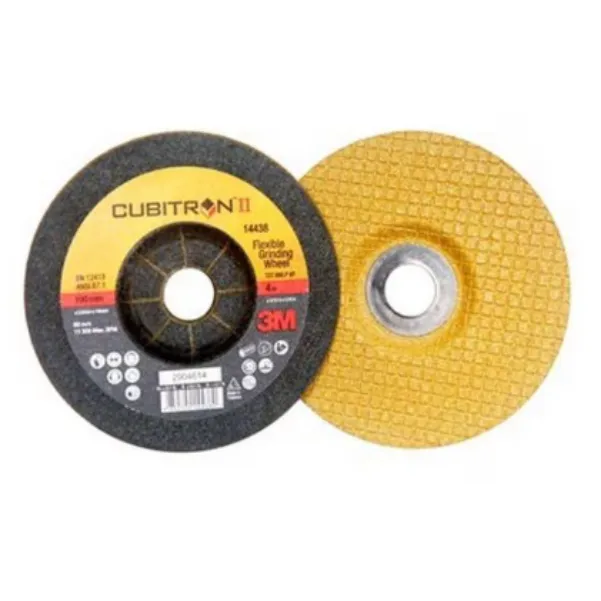
Straight wheels are commonly used for surface grinding and bench grinding. Depressed-centre wheels are widely used with angle grinders for fabrication work, while specialised cup wheels and mounted points serve precision grinding applications.
Choosing the correct wheel shape improves access to the workpiece and enhances operator control.
Grinding speed is equally important.
Every grinding wheel is designed to operate within a specific maximum rotational speed. Exceeding the recommended speed increases the risk of wheel failure and creates significant safety hazards.
Before installation, operators should always verify that:
- The machine speed matches the wheel rating.
- The wheel is free from visible damage.
- The mounting flanges are clean and secure.
- The wheel is installed according to manufacturer guidelines.
Routine inspections help reduce the likelihood of accidents and maintain consistent grinding performance.
Many manufacturers unknowingly reduce wheel life through avoidable operating mistakes.
Common examples include:
- Applying excessive pressure.
- Grinding with the wrong wheel face.
- Using damaged or chipped wheels.
- Selecting incorrect wheel specifications.
- Ignoring recommended operating speeds.
- Storing wheels in unsuitable environmental conditions.
Correcting these practices often improves productivity without increasing consumable costs.
When comparing grinding wheels, procurement managers should evaluate several practical factors rather than focusing solely on purchase price.
Important considerations include:
- Material removal rate
- Wheel durability
- Surface finish quality
- Compatibility with existing machinery
- Consistency between production batches
- Safety standards
- Overall cost per finished component
A wheel that lasts longer and delivers consistent performance can significantly reduce production interruptions and replacement frequency.
Industrial operations in Mumbai support sectors such as engineering, heavy fabrication, automotive manufacturing, infrastructure, marine equipment, and precision machining. These industries require grinding solutions that balance efficiency, durability, and operator safety while maintaining high-quality finishing standards.
V. Mehta Abrasives Pvt. Ltd. supplies a wide range of grinding wheels suitable for different industrial applications. By understanding the needs of fabrication shops, manufacturing plants, and engineering companies, the business provides abrasive solutions that support efficient material removal and consistent finishing performance. Information about available products and application guidance can be explored through vmehtaabrasives.com.
Selecting the right grinding wheel is an investment in manufacturing efficiency rather than simply purchasing another consumable. When the wheel matches the material, machine, and application, businesses benefit from improved surface quality, longer tool life, reduced downtime, and more predictable production outcomes. A thoughtful selection process helps manufacturers achieve greater consistency while supporting safer and more efficient industrial operations.
Keywords